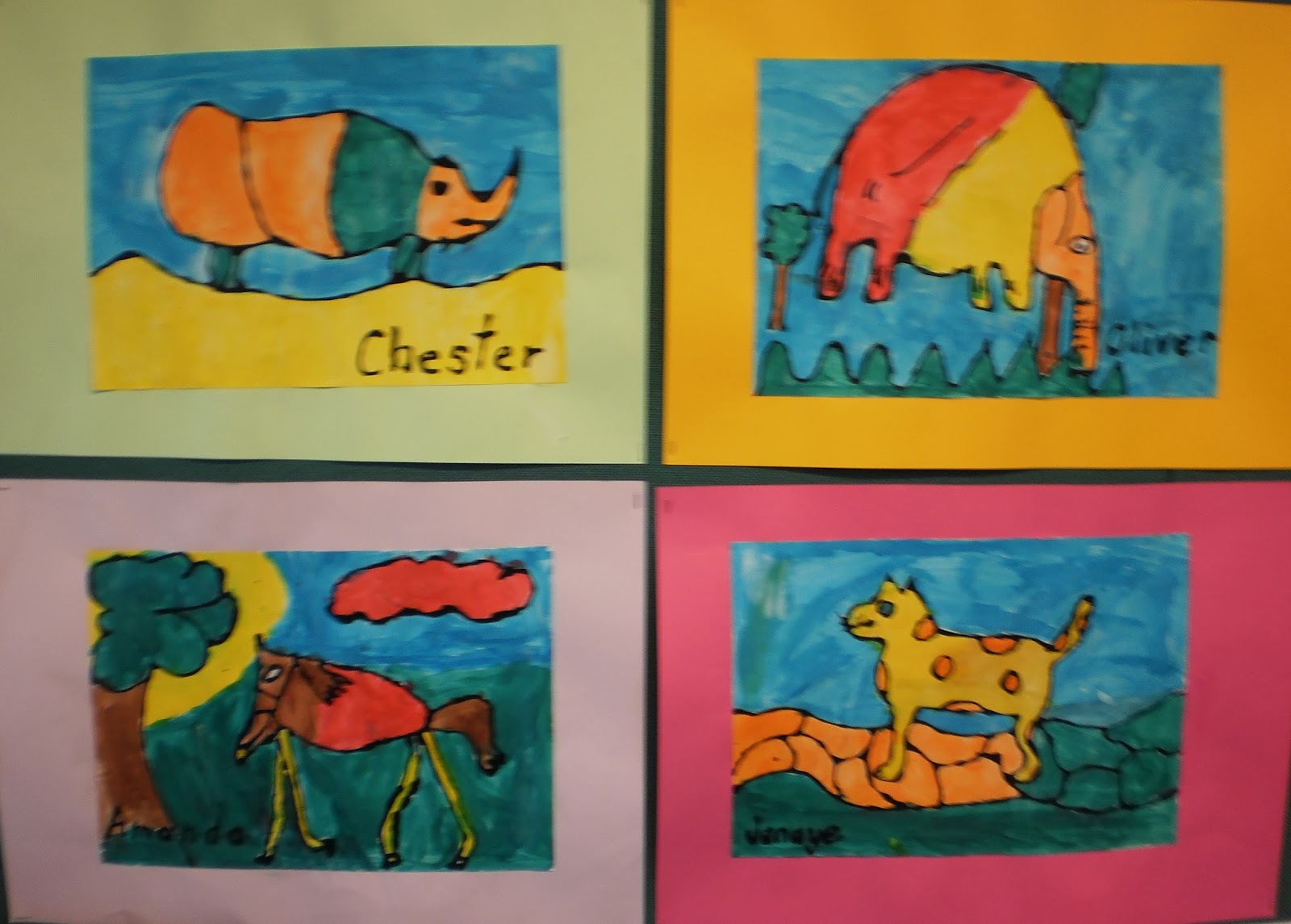
We want to share our colourful art before we take it home. It was fun making it and it looks amazing and cool. Thank you for looking.
Welcome to Room 5, 2014. We are a class of 29 year 3 and 4 children. Oakura is a beautiful coastal village, near New Plymouth, in the province of Taranaki, New Zealand. We are also lucky to have Mount Egmont/Taranaki (8260 feet high) very close by, so you can go surfing during the morning and skiing during the afternoon.
Wednesday, June 26, 2013
Oakura School KORU LANDING opening
Wow! We are so excited and thankful for a new fun area at Oakura School. The opening was a special time to share with our school of over 300 children, teachers and those who planned, built and help raise the money. All of the features of the area were from ideas gathered from class meetings from all of our 13 classes. The class councillors then reported back to Miss Hepworth. Finally the Koru Landing unfolded over the last year.
Thursday, June 6, 2013
EDUCATION OUTSIDE THE CLASSROOM
Room 5 children were learning about our local environment with an informative walk from a world award winning, the Te Rewa Rewa Bridge to the Aquatic Centre. This journey allowed us to include the Waiwakaiho River, Coastal Walkway, Windwand and Puke Ariki Landing. There was a lot of wildlife to be seen including the rare sighting of a Spoonbill resting on a rock following its long flight from Australia. What a wonderful way to learn we all agreed.
Sunday, May 26, 2013
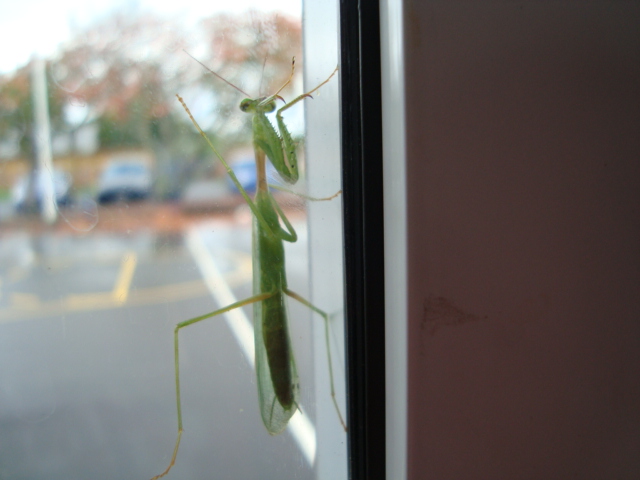
Room 5's Interesting Visitor.
These insects get their name because they have very long front legs that they hold in a position that reminds people of praying. There are about 1,800 species of praying mantids around the world.
Praying mantids are carnivores, eating mainly insects and other small animals. Many gardeners and farmers welcome mantids, because the insects they eat are often pests that hurt crops. In addition to insects such as crickets and grasshoppers, mantids eat spiders, frogs, lizards, and even small birds.
Praying mantids have long necks topped by a triangular head. They can turn their heads 180 degrees—an entire half circle—which, along with exceptional eyesight, helps them spot prey. They're well-camouflaged, adapting colours that help them blend with the plants they live near. Some also have amazing body shapes that make them look like leaves or branches.
To hunt, mantids either sit and wait for an insect to pass by, or they stalk them. They're nearly invisible when they sit still, looking like part of a leaf or stem. When they are close enough, they strike so quickly—about one-twentieth of a second—you probably couldn't even see it happen. It's just a blur.
Thursday, May 16, 2013
Pukeiti EOTC Visit- a rain forest garden.
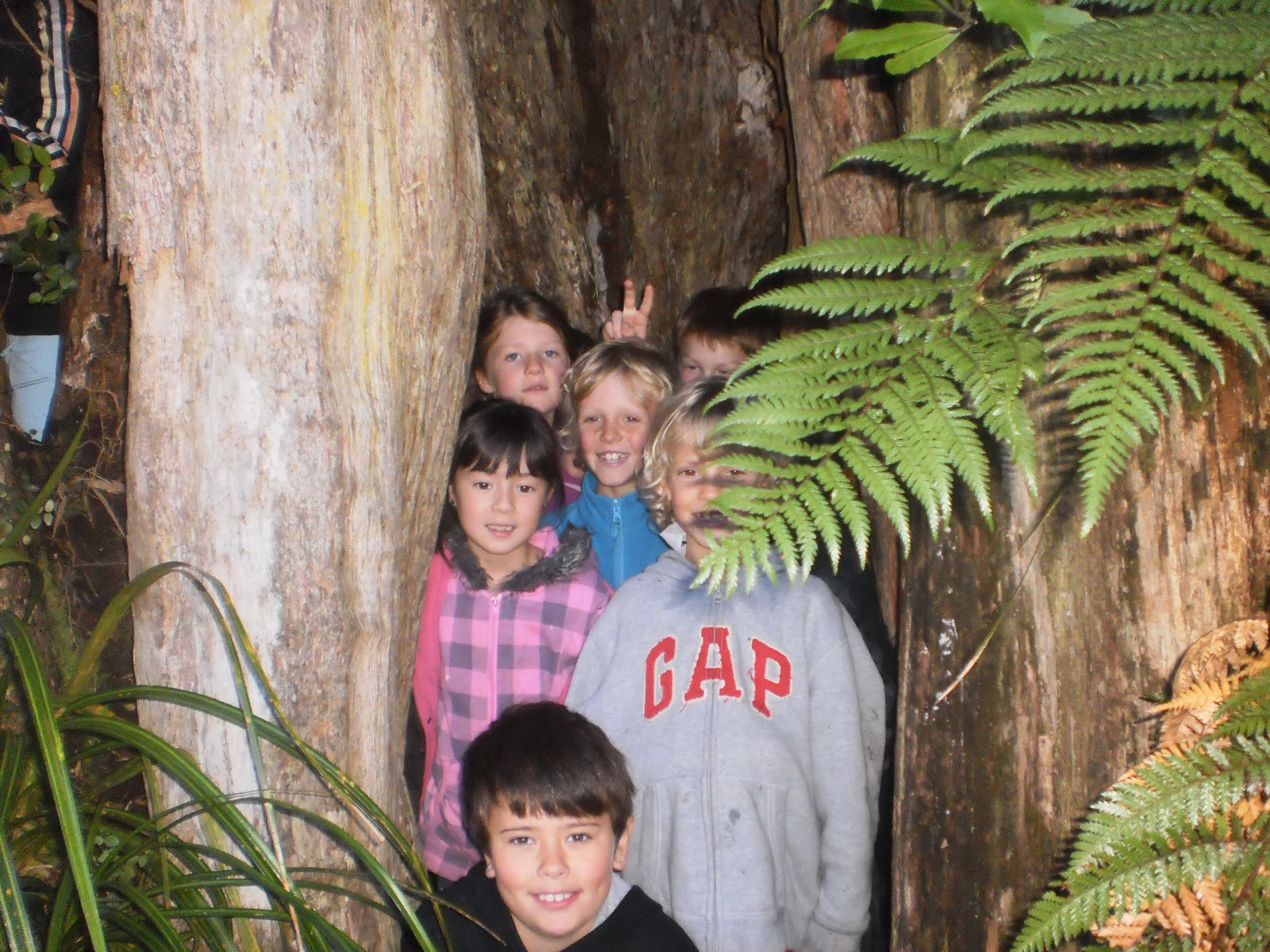
The Giant Rata tree is over 800 years old and may have started growing before mammals arrived in New Zealand. It grew near the top of a tree and sent roots down to the ground. After a long time it killed the host tree. It is very tall. Our class were able to fit inside the hollow rata tree. The tree’s cave is from where the dead tree had rotted away. There was a big opening and a small escape opening at the back.
We observed all the bugs that had fallen into the traps. The traps were buckets in the ground almost covered except for a small opening. The top of the bucket was at ground level.
Lots of Rimu trees were cut down and dragged away in the early pioneer days. The children had to work hard too and often didn’t go to school. The settlers lived in large, heavy, canvas tents.
We identified plants and creatures at Pukeiti from charts they provided. Everyone potted up a native tree seedling to take home and replant.
We learnt a fact about one sort grasshopper that can jump 4.7metres from a standing start. We all tried to beat that jump, but the best Room 5 pupil could only jump 1.25metres.
Sunday, May 12, 2013
Subscribe to:
Posts (Atom)